Odd Enough Books
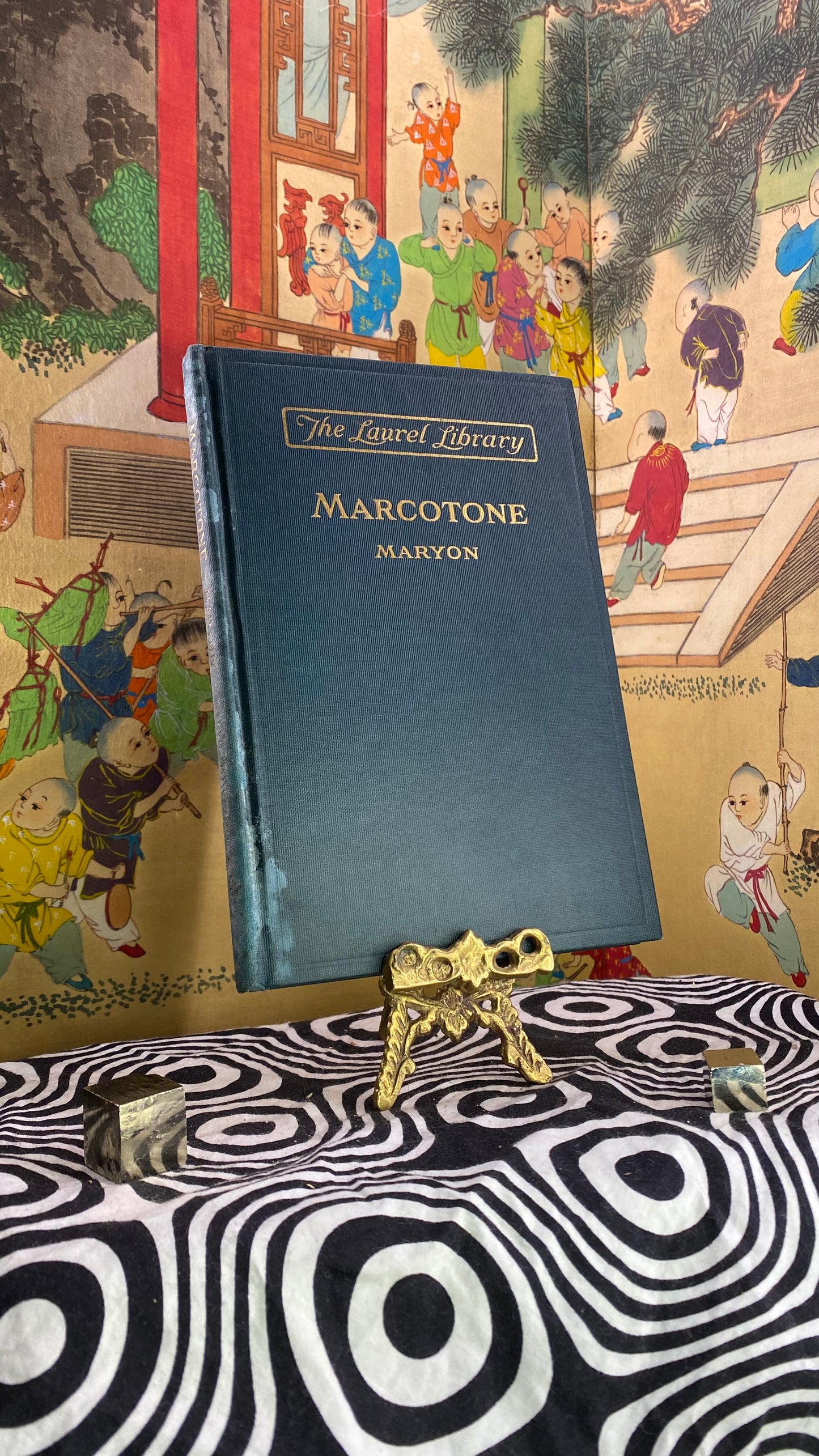
Marcotone : The Science of Tone-Color — Edward Maryon — 1924
Marcotone : The Science of Tone-Color — Edward Maryon — 1924
Couldn't load pickup availability
Marcotone: The Science of Tone-Color is a unique blend of art theory, color science, and esoteric philosophy, in which Edward Maryon explores the relationship between color, sound, vibration, and human consciousness. The book proposes that color is not merely visual, but vibrational and expressive of deeper laws, capable of influencing emotion, perception, and even spiritual states.
At its core, the work introduces “Marcotone” as a system for understanding and applying tone-color relationships—suggesting that colors function similarly to musical tones, each carrying a specific frequency, mood, and energetic effect.
Core Themes
1. Color as Vibration
Maryon presents color as a form of vibratory expression, closely related to sound. Just as musical notes create harmony or discord, colors interact in ways that can produce psychological and energetic effects.
2. Tone-Color Relationships
A central idea is that colors correspond to tonal qualities—meaning that combinations of colors can be understood like chords in music. Proper combinations create harmony, while poor combinations create tension or imbalance.
3. Emotional and Psychological Influence
The book explores how different colors evoke specific emotional responses. For example, certain hues may stimulate energy, calm the mind, or inspire creativity.
4. Artistic Application
Maryon provides insights into how artists can consciously use tone-color principles to:
-
Create visual harmony
-
Guide the viewer’s emotional experience
-
Enhance depth and expression in artwork
5. Esoteric and Spiritual Dimensions
Beyond aesthetics, the book connects color to spiritual symbolism and inner development. Colors are seen as expressions of deeper forces or states of consciousness, aligning with broader esoteric traditions.
6. Harmony as a Principle
As with many metaphysical works of the time, harmony is central. The correct use of tone and color reflects an understanding of universal order and balance.
Tone and Style
The tone is analytical yet mystical, combining structured artistic theory with esoteric interpretation. Maryon writes as both an artist and a thinker interested in the hidden relationships between sensory experience and deeper laws.
His work resonates with broader esoteric and artistic movements of the period, where color and sound were often linked through symbolic and vibrational frameworks.
Overall Message
Marcotone: The Science of Tone-Color teaches that color is not arbitrary or purely decorative—it is a structured, meaningful language of vibration that can be understood and applied.
By learning to work with tone-color relationships, individuals—especially artists—can create not only visually pleasing compositions, but also works that influence emotion, convey deeper meaning, and reflect universal harmony.
In essence, Maryon’s message is:
Color is music made visible—and when understood, it becomes a powerful tool of expression and influence.