Kategorie: L.H. Anderson

Lewis L. H. Anderson (18?? - 1914) was an American author and lecturer active during the closing years of the nineteenth century. Though relatively obscure today, his writings occupy an interesting place within the broader tradition of self-improvement, mental science, personal magnetism, and early New Thought literature that flourished during the 1890s.
Little is known with certainty about Anderson's personal life, and much of his biography remains elusive. What survives is found primarily through the books he published, which reveal a strong interest in the relationship between thought, health, vitality, character, and personal success.
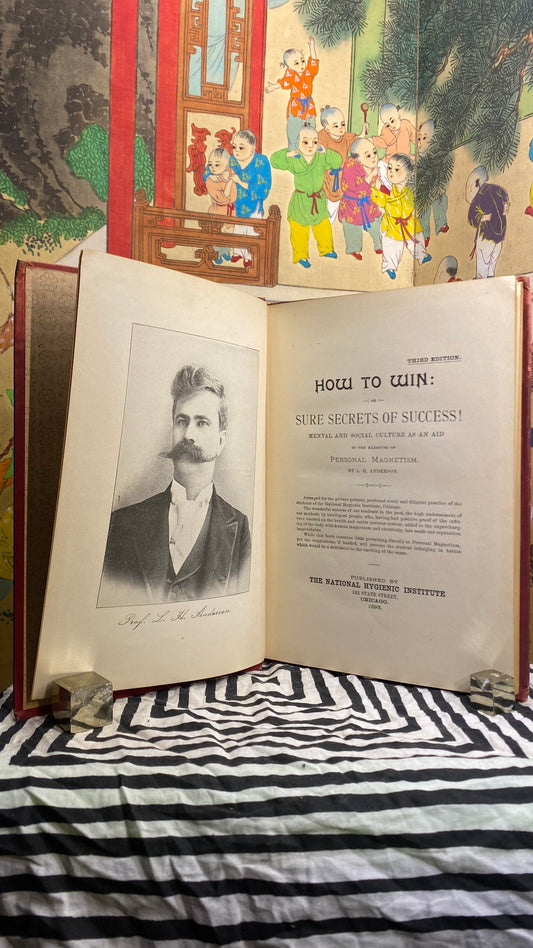
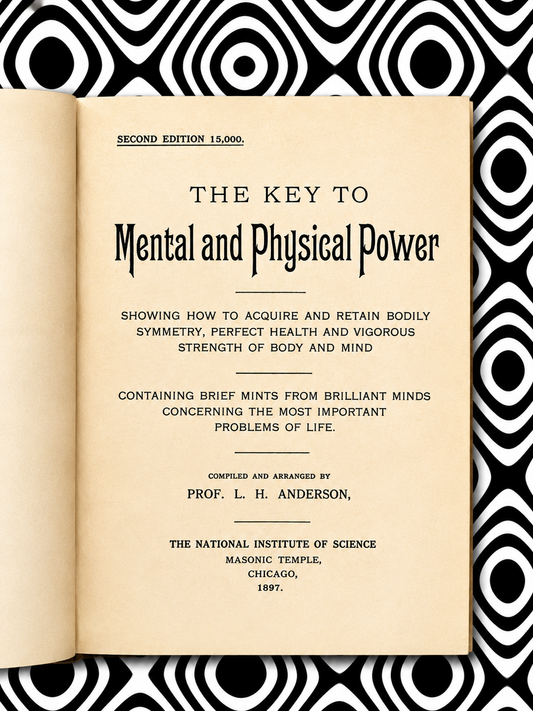
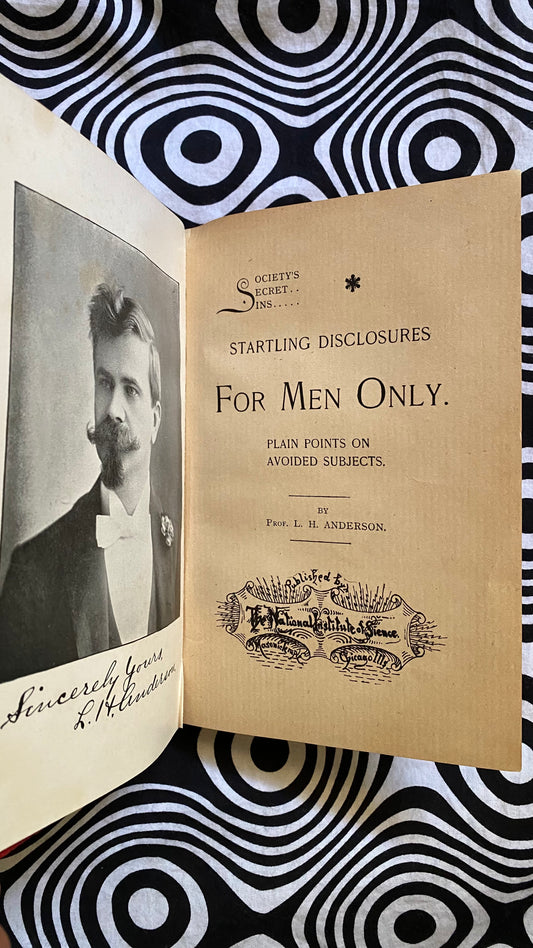
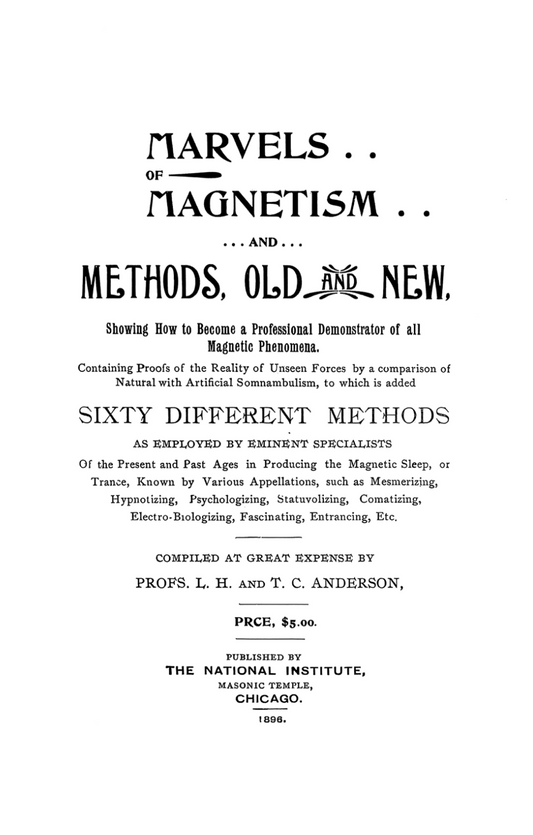
Among his known works are Nature's Secrets: For Men Only (1898), The Key to Mental and Physical Power (1898), How To Win, or Sure Secrets of Success (1898), and How To Hypnotize (1898). Collectively, these books reflect many of the themes that were becoming increasingly popular at the turn of the twentieth century: willpower, self-mastery, mental influence, personal magnetism, habit formation, and the development of human potential.
Like many authors of the Mental Science movement, Anderson viewed the mind as a powerful force capable of influencing physical health, personal effectiveness, and success in daily life. His works frequently emphasized discipline, focused thought, confidence, and the conscious direction of one's energies as keys to achievement and self-development.
LH Anderson also wrote during a period of growing public fascination with hypnosis, suggestion, psychology, and the emerging study of the subconscious mind. His books helped introduce these subjects to a general readership, presenting them in a practical and accessible manner rather than as purely academic pursuits.
Although he never achieved the lasting fame of later New Thought figures such as William Walker Atkinson, Anderson's writings remain valuable historical examples of the self-improvement and mental culture literature that helped shape the personal development movement of the twentieth century.
Today, his books are sought after by collectors of New Thought, hypnosis, mesmerism, personal magnetism, self-help, and nineteenth-century metaphysical literature. They offer a fascinating glimpse into a period when many writers believed that the disciplined cultivation of mind and character held the key to health, success, and personal power.
-
Wie man gewinnt oder Gewisse Erfolgsgeheimnisse — L.H. Anderson — 1898
Normaler Preis Von $30.00 USDNormaler Preis -
Wie man hypnotisiert — L.H. Anderson — 1898
Normaler Preis Von $20.00 USDNormaler Preis -
Okulte Wissenschaft — L.H. Anderson | R. Swinburne Clymer | Papus — 1954
Normaler Preis Von $10.00 USDNormaler Preis -
Wie man hypnotisiert — L.H. Anderson — 1898
Normaler Preis Von $20.00 USDNormaler Preis -
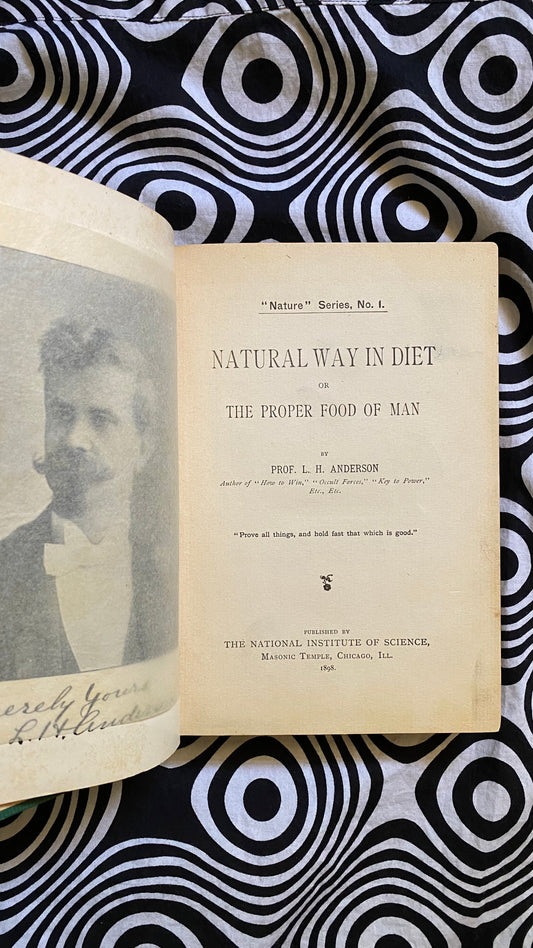
Natural Way in Diet, or The Proper Food of Man — L.H. LH Anderson — 1898
Normaler Preis Von $20.00 USDNormaler Preis -
Wie man hypnotisiert — L.H. Anderson — 1898
Normaler Preis Von $40.00 USDNormaler Preis -
Wie man hypnotisiert — L.H. Anderson — 1898
Normaler Preis Von $20.00 USDNormaler Preis